My First Birth Story

My waters broke and I went into labour at 10pm on Monday night. About 2 hours later my contractions were 5 minutes apart and we excitedly went to hospital.

I was about 4cm dilated when we arrived. I had decided on a no drugs approach so continued to labour through the night. By 5am on Tuesday morning I was fully dilated and ready to start pushing.

We moved into the delivery room and things took an unexpected turn. My baby had not dropped all the way down into my cervix and her head was tilted in just the wrong angle. We gave it some more time for her to drop but she wouldn’t move. We tried pushing her out but she wouldn’t move.

After being fully dilated for 3 hours; with very little rest between contractions I was exhausted. My wonderful gynae who had journeyed so wonderfully with me made the call to do an emergency caesarian! My relief was tangible as I was exhausted and couldn’t anymore.

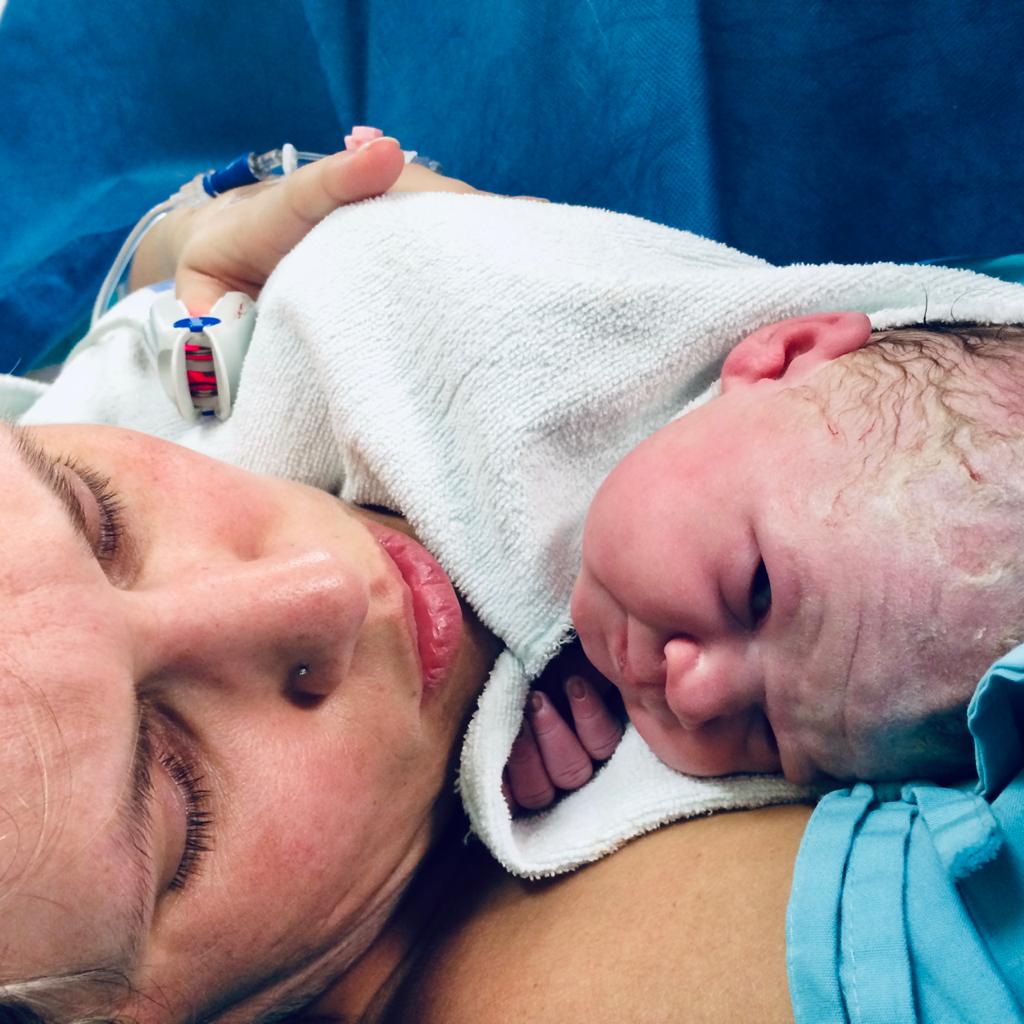
It took a while to get the epidural in as my contractions would not stop but when it hit I felt as if I could breathe for the first time in hours. My beautiful little girl was born just after 9 am. Exhilaration!

Looking back I have no regrets. I wish I could have pushed her out as I wanted, but I am so thankful that having a c/section was an option available to me. I am grateful to the surgical team who took care of us. I am grateful that as soon as she was checked out she was placed straight into my arms and onto my boob.

When I look at, and touch my scar it is a reminder of my precious, full of life little girl. How she got here is not nearly as important as the fact that she got here, and she is healthy!

The best and only position that you should use when doing a poo.

One of the best things we can do for our digestive system is to sit properly on the toilet when having a bowel movement.

How should we sit?

Sitting with our legs apart, and knees raised above the level of our hips, puts our pelvic floor muscles in the perfect relaxed position. Lean forward with the top of your body to rest your elbows on your knees. Then let it go.

How to change it up?

You can use anything in your house to recreate this semi-squatting position; a step, some books, some upended dustbins, or even some toilet rolls or cans. We spend so much of our day sitting that changing things up on the toilet is necessary. Think about it, we often try and do a poo in the same sitting position as when we are sitting by our desks. Adopting good toilet posture cues the body that it is time for action.

What to do while sitting on the loo.

While sitting in this position practice some deep belly breathes to get things going. Breathe in belly big, breathe out belly flatten and tighten. Remember no straining allowed! Straining is when we are pushing so hard that we can’t breathe, talk, or make a sound. Straining also causes our pelvic floor muscles to tighten; a tight pelvic floor is not what we want while doing a poo. We need to relax to let it out.

Who should use this toilet posture?

This is not just for ladies, pregnant or postpartum mums; this position is for everyone who poo’s; in other words, it’s for everyone! Next time you go to do a poo I challenge you to try the squatting position and see the difference that it makes.

How we check pelvic floor muscle function

I realize that a lot of ladies may feel apprehensive about a pelvic floor exam so I wanted to quickly share with you the ways that we go about this. There are a few ways in which we can assess the pelvic floor and it all depends on what you are most comfortable with.

Method 1: External palpation

The first test is the external palpation of the pelvic floor muscles. This can be done in standing or with you lying on your back and your knees bent. My hands will be placed just on the inside of your sit bone. Here we are feeling the muscle movement from the outside of the body, the same way we would feel your bicep.

Method 2: Imaging with real-time ultrasound

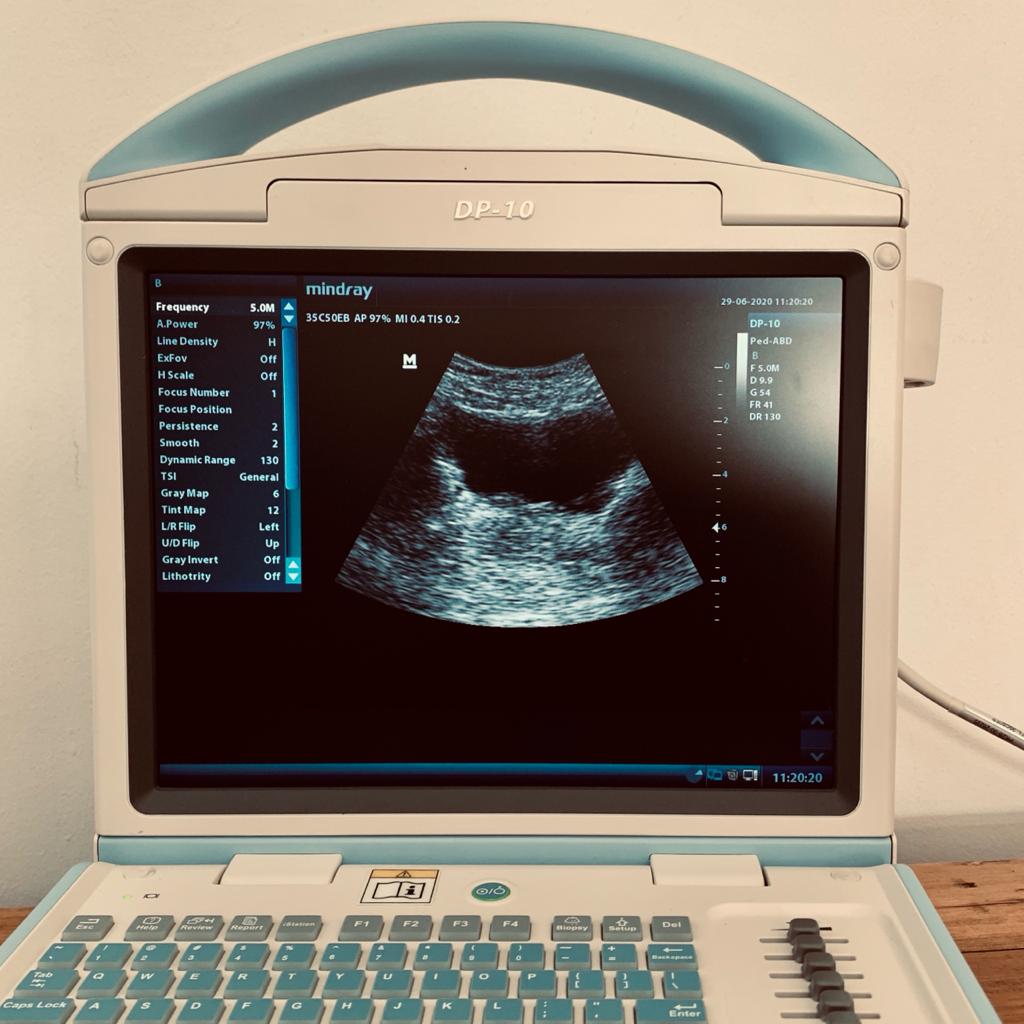
Next, we would use our real-time ultrasound (RTUS) to check the pelvic floor. We get an image of the bladder and then the movement of the bladder following different cues gives us a good picture as to how the pelvic floor is working. I love my real-time ultrasound because it allows me the opportunity to show ladies how their pelvic floor is working.

It has been so wonderful having the RTUS as a method of assessment and treatment as it is the most non-invasive method of seeing what is going on with the pelvic floor muscles. People also find it easier to be able to connect to their pelvic floor when they can see what is happening. There is always a little light bulb moment when they get the connection for the first time.

Method 3: Internal exam

And lastly, we do the internal pelvic floor exam. This is done by inserting one finger into the vagina to test the tone and function of the pelvic floor muscles. Please note that we don’t always do this exam on the first session and you can consent or decline to this exam at any point.

A well rounded picture

By doing all 3 tests we are able to get a really well-rounded understanding of the condition of the pelvic floor muscles and what they are needing. We always look at function on both the left and right sides of the pelvic bowl. And most importantly we believe that the pelvic floor should be able to relax just as well as it can contract.

Please contact me if you have any questions about the pelvic floor muscle exam; I would love to talk more about it with you so that you can feel comfortable.

Let’s talk about Haemorrhoids

Haemorrhoids are most probably the least likely talked about subject amongst women!

I can remember after giving birth to my little man, that the haemorrhoids from pushing during labour, were way more sore than my episiotomy! Why did no-one warn me? And once they have occurred, it is easier for them to come back, if we aren’t careful about our toileting technique.

Often, when I see ladies who are struggling with constipation and an overactive pelvic floor, they also struggle with haemorrhoids. And haemorrhoids are a real struggle; painful and irritating!

The good news is: there is a lot we can do to prevent them from coming back and bothering us again! There are even easy changes you can make right now, that should ease your suffering.

Our toilet posture, and the way we push on the toilet, is so important in managing haemorrhoids. Staying on top of any constipation is also key! And sometimes, that means taking a natural stool softener, if you need some extra assistance.

The best toilet posture is sitting on the toilet with our feet raised up on a stool so that our knees are higher than our hips. This helps the pelvic floor to relax and the poo to come out without much work on our part. Excessive straining (pushing while holding our breath) also increases our risk of haemorrhoids. So the best way to work out that poo is with your breath; big breathe in and push on the breathe out.

I would also recommend an appointment with a pelvic health physio for a more in-depth look at the pelvic floor muscles and how you are managing your intra-abdominal pressure.

Ladies, I urge you to talk about these things and seek help. It may seem a daunting thing to do, but the relief is worth it.

How does our pelvic floor respond to increased pressure from above?

In the podcast that I did recently with @caitlyndebeer and @theunpodcast, we spoke about our core and a little bit about the relationship between our tummy muscles and our pelvic floor. I thought that a picture and video would help to show you what I was talking about.

Our pelvic floor is an integral part of our core.

Our core is made up of many different muscles; to put it simply these are our diaphragm, some abdominal muscles, some back muscles, and pelvic floor.

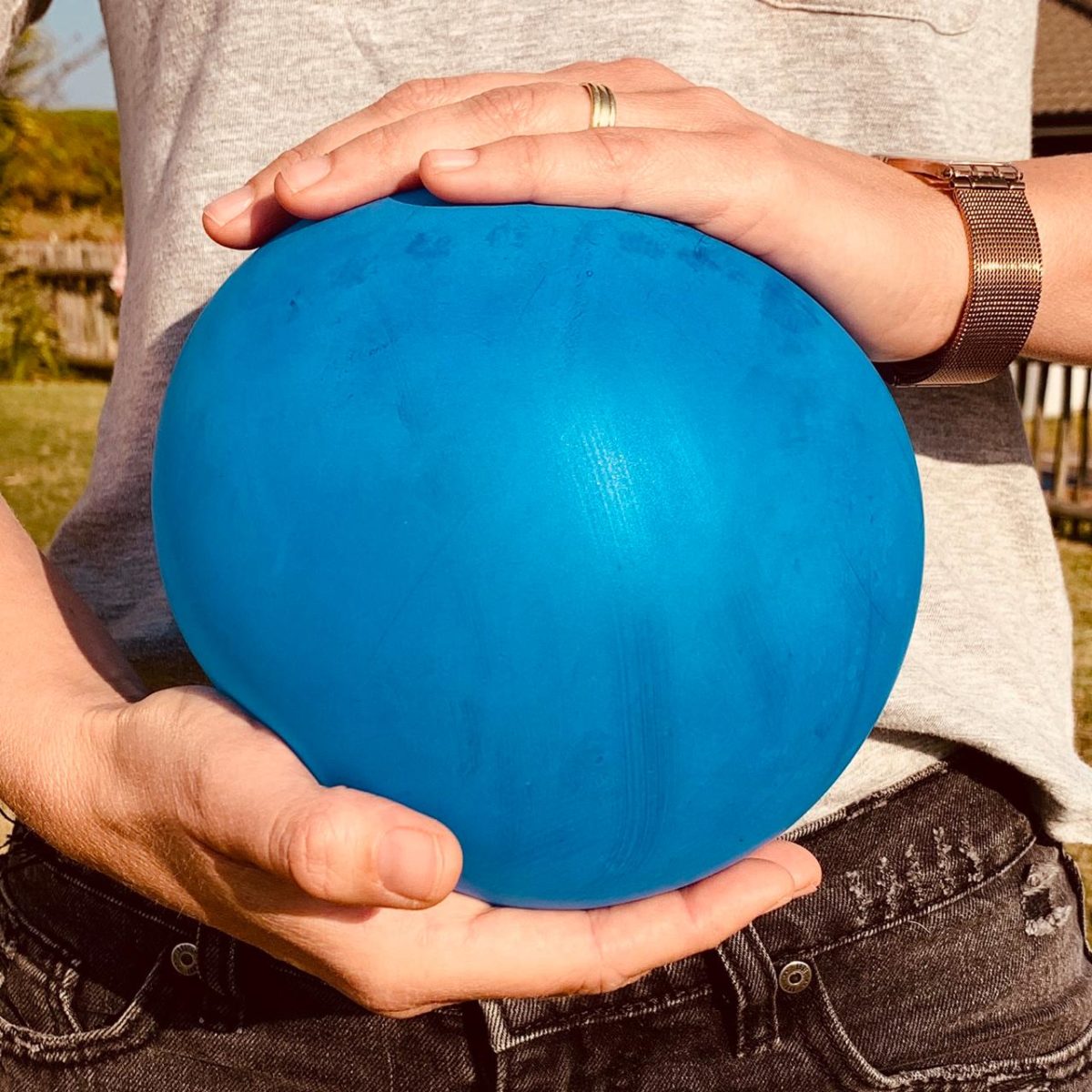
But what happens when we are constantly pulling in our tummy muscles from tension or to look more “together”? If we think of our core as a balloon, this would look like us squeezing the balloon from the top. The extra pressure at the top causes an increase in pressure at the bottom.

Have a look at how the balloon bulges downwards due to the extra pressure from the top. Our core responds to this new pressure at the bottom by increasing the engagement of our pelvic floor in order to control that pressure.

Our pelvic floor is affected by changes in pressure within our core.

When we let go of the balloon the pressure distribution goes back to normal. Using this analogy makes it easier to understand why we need to consider what is happening with our upper tummy muscles when working with the pelvic floor.

How are you “holding” your core? Do you carry extra tension across your tummy that you don’t need? When you are stressed how does your tummy movement change?

What does this mean for you?

If you found that when you stopped to take a look at your tummy you can see some extra tension, then start with seeing if you can let that tension go. Then move on to your breath and feel and assess its movement. You can read my previous posts for more info on how to go about feeling your breath.