How we check pelvic floor muscle function

I realize that a lot of ladies may feel apprehensive about a pelvic floor exam so I wanted to quickly share with you the ways that we go about this. There are a few ways in which we can assess the pelvic floor and it all depends on what you are most comfortable with.

Method 1: External palpation

The first test is the external palpation of the pelvic floor muscles. This can be done in standing or with you lying on your back and your knees bent. My hands will be placed just on the inside of your sit bone. Here we are feeling the muscle movement from the outside of the body, the same way we would feel your bicep.

Method 2: Imaging with real-time ultrasound

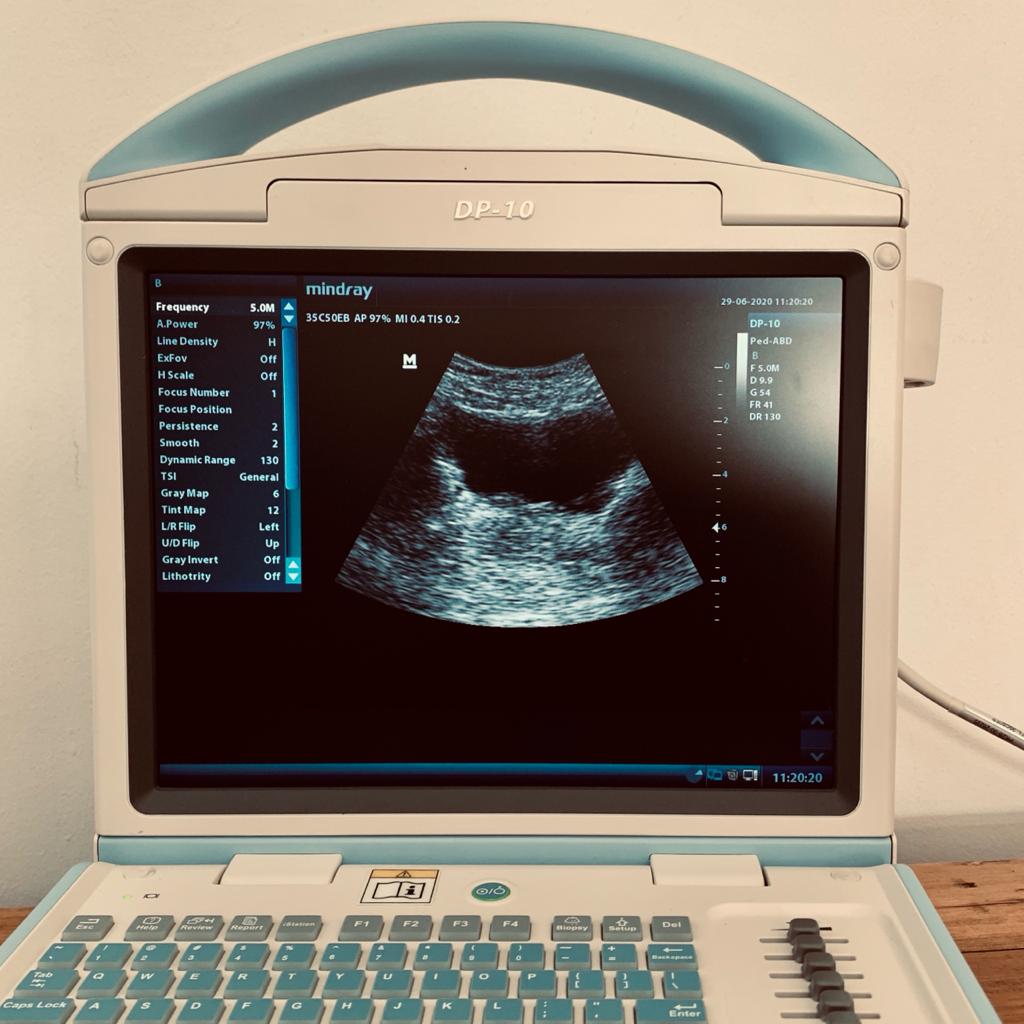
Next, we would use our real-time ultrasound (RTUS) to check the pelvic floor. We get an image of the bladder and then the movement of the bladder following different cues gives us a good picture as to how the pelvic floor is working. I love my real-time ultrasound because it allows me the opportunity to show ladies how their pelvic floor is working.

It has been so wonderful having the RTUS as a method of assessment and treatment as it is the most non-invasive method of seeing what is going on with the pelvic floor muscles. People also find it easier to be able to connect to their pelvic floor when they can see what is happening. There is always a little light bulb moment when they get the connection for the first time.

Method 3: Internal exam

And lastly, we do the internal pelvic floor exam. This is done by inserting one finger into the vagina to test the tone and function of the pelvic floor muscles. Please note that we don’t always do this exam on the first session and you can consent or decline to this exam at any point.

A well rounded picture

By doing all 3 tests we are able to get a really well-rounded understanding of the condition of the pelvic floor muscles and what they are needing. We always look at function on both the left and right sides of the pelvic bowl. And most importantly we believe that the pelvic floor should be able to relax just as well as it can contract.

Please contact me if you have any questions about the pelvic floor muscle exam; I would love to talk more about it with you so that you can feel comfortable.

The “Giggle Test”

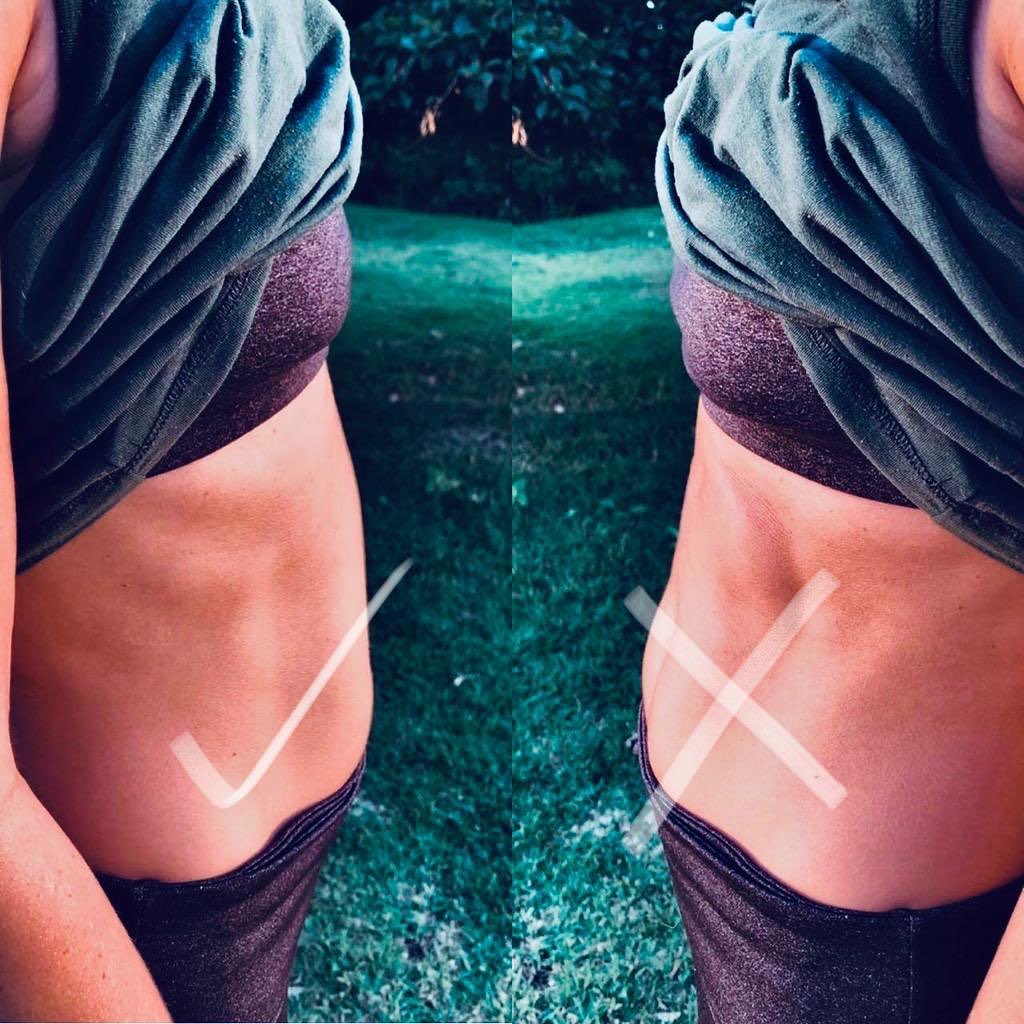
The giggle test is a quick and easy test that we do during our assessments to see how the core muscles are firing together. It shows us how the body is dealing with any pressure changes inside the abdomen and pelvis.

Ideally, when there is an increase in pressure (such as with a laugh, cough or sneeze), we want the core muscles to switch on in such a way that the pressure is controlled and doesn’t overwhelm our pelvic floor muscles resulting in leaks.

This is how you can do the test

Step 1: Remove clothing from lower abdomen/ pelvic area so that you can see the tummy move

Step 2: Do a fake laugh

Step 3: Observe how your lower belly moves; does it move in when you laugh or does it move out?

A positive giggle test is when your tummy moves out and this indicates that your core is not firing optimally.

But no need to stress or freak out. Knowledge is power! If you do have a positive giggle test it just means to need to spend some time on your core.

Here is a video of me doing the giggle test

Its not perfect because I still have work to do on letting go of holding my tummy in; but you get the general idea.

Take some time this weekend to do the giggle test on yourself and get an idea of how your core is working.

Learning to let it go

I have spent the majority of my life holding my belly in. I thought that I had to. I thought that it made me look better. I thought that it meant I was strong. If only I had known earlier that none of those were true.

I have since spent the last year teaching myself to let go. It has been tough! Stress and habit often cause me to tighten up. Then I remind myself to take a deep breath, to relax, to let go.

But what is so wrong with constantly pulling in your tummy? For starters it is unnatural. It’s not how our abdominal muscles were made to function. It restricts our diaphragm, which means we are not getting the right breath and oxygen to our bodies. It changes our posture, causing our pelvis to tilt and our shoulders to round forward.

Most significantly for me I found that whenever I pulled in my tummy, I would tighten my pelvic floor unnecessarily! And with an overactive pelvic floor comes pain and dysfunction. For me that translates to constipation and hip/SIJ pain.

Now whenever I see a pelvic pain patient, or someone battling constipation I always start by checking for abdominal bracing. Those overactive tummy muscles are big contributors to pain in the pelvis, hip and low back area.

How are your tummy muscles? Do you carry tension in them? Are you able to let them go?