How we check pelvic floor muscle function

I realize that a lot of ladies may feel apprehensive about a pelvic floor exam so I wanted to quickly share with you the ways that we go about this. There are a few ways in which we can assess the pelvic floor and it all depends on what you are most comfortable with.

Method 1: External palpation

The first test is the external palpation of the pelvic floor muscles. This can be done in standing or with you lying on your back and your knees bent. My hands will be placed just on the inside of your sit bone. Here we are feeling the muscle movement from the outside of the body, the same way we would feel your bicep.

Method 2: Imaging with real-time ultrasound

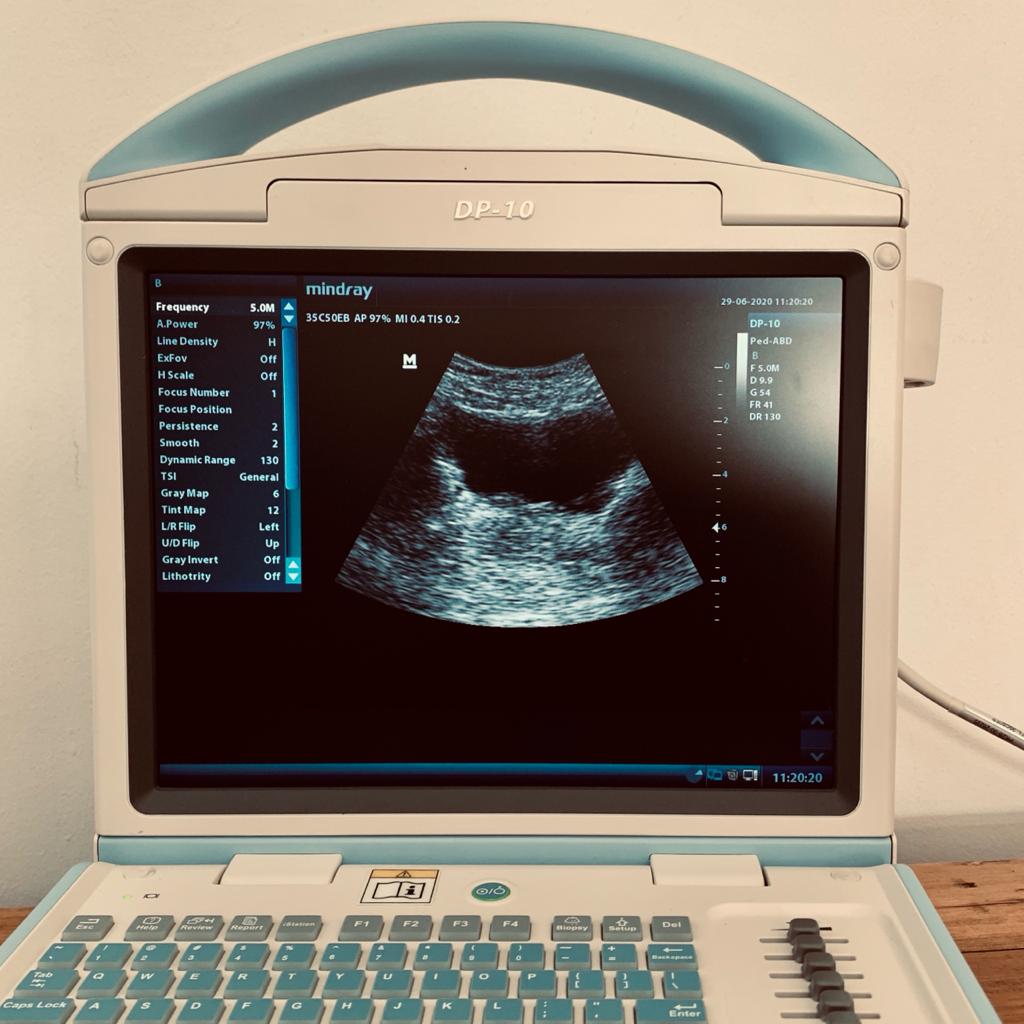
Next, we would use our real-time ultrasound (RTUS) to check the pelvic floor. We get an image of the bladder and then the movement of the bladder following different cues gives us a good picture as to how the pelvic floor is working. I love my real-time ultrasound because it allows me the opportunity to show ladies how their pelvic floor is working.

It has been so wonderful having the RTUS as a method of assessment and treatment as it is the most non-invasive method of seeing what is going on with the pelvic floor muscles. People also find it easier to be able to connect to their pelvic floor when they can see what is happening. There is always a little light bulb moment when they get the connection for the first time.

Method 3: Internal exam

And lastly, we do the internal pelvic floor exam. This is done by inserting one finger into the vagina to test the tone and function of the pelvic floor muscles. Please note that we don’t always do this exam on the first session and you can consent or decline to this exam at any point.

A well rounded picture

By doing all 3 tests we are able to get a really well-rounded understanding of the condition of the pelvic floor muscles and what they are needing. We always look at function on both the left and right sides of the pelvic bowl. And most importantly we believe that the pelvic floor should be able to relax just as well as it can contract.

Please contact me if you have any questions about the pelvic floor muscle exam; I would love to talk more about it with you so that you can feel comfortable.
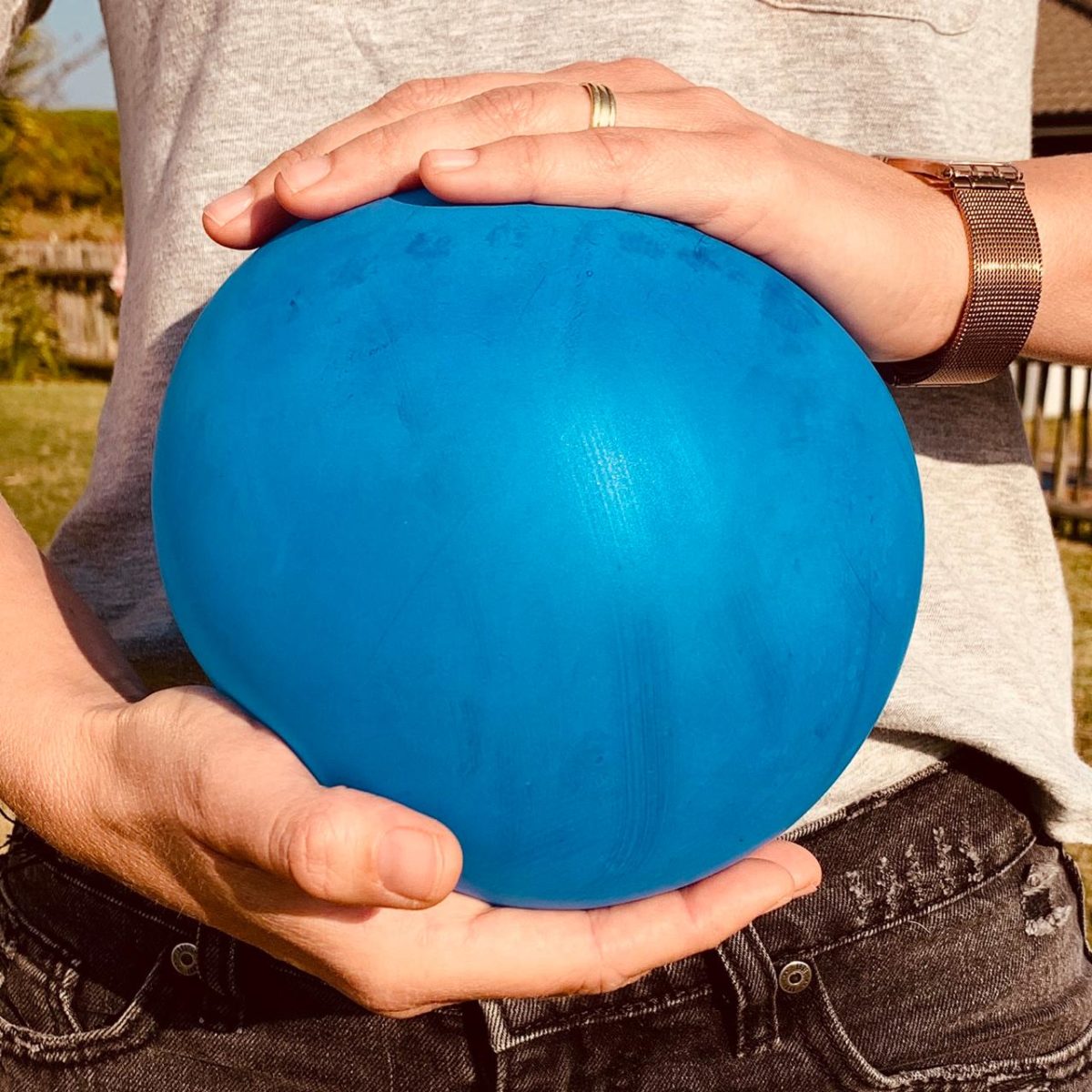
How does our pelvic floor respond to increased pressure from above?

In the podcast that I did recently with @caitlyndebeer and @theunpodcast, we spoke about our core and a little bit about the relationship between our tummy muscles and our pelvic floor. I thought that a picture and video would help to show you what I was talking about.

Our pelvic floor is an integral part of our core.

Our core is made up of many different muscles; to put it simply these are our diaphragm, some abdominal muscles, some back muscles, and pelvic floor.

But what happens when we are constantly pulling in our tummy muscles from tension or to look more “together”? If we think of our core as a balloon, this would look like us squeezing the balloon from the top. The extra pressure at the top causes an increase in pressure at the bottom.

Have a look at how the balloon bulges downwards due to the extra pressure from the top. Our core responds to this new pressure at the bottom by increasing the engagement of our pelvic floor in order to control that pressure.

Our pelvic floor is affected by changes in pressure within our core.

When we let go of the balloon the pressure distribution goes back to normal. Using this analogy makes it easier to understand why we need to consider what is happening with our upper tummy muscles when working with the pelvic floor.

How are you “holding” your core? Do you carry extra tension across your tummy that you don’t need? When you are stressed how does your tummy movement change?

What does this mean for you?

If you found that when you stopped to take a look at your tummy you can see some extra tension, then start with seeing if you can let that tension go. Then move on to your breath and feel and assess its movement. You can read my previous posts for more info on how to go about feeling your breath.

Feel your Breath

We have become so used to holding it all in and keeping it all together that we have forgotten how to just be. Because of this our bodies have found a new “normal” way of functioning.

Have you ever thought about how your breath feels?

If you had to stop what you are doing right now and take a deep breath, how would it feel? Put one hand on your chest and one hand on your belly and feel where your breath goes?

Ideally, we should see and feel more movement in our belly than in our chest with every breath in. We should be breathing with our diaphragm and when our diaphragm moves we should see and feel movement in our belly and lower ribs.

Now try this… Still with one hand on your chest and one hand on your belly.

Breathe in belly rise
Breathe out belly fall

Focus only on your breath as it moves down into your body and out again. Practice it a couple of times to get the feeling and the rhythm.

If we re-patterned our breathing into this rhythm it would have such a positive effect on our body. By encouraging the natural movement of our breath we make space for digestion and give the pelvic floor the space it needs to be free. Even our posture will change when we give our tummy permission to move with each breath.

Breath is power to the body.

The “Giggle Test”

The giggle test is a quick and easy test that we do during our assessments to see how the core muscles are firing together. It shows us how the body is dealing with any pressure changes inside the abdomen and pelvis.

Ideally, when there is an increase in pressure (such as with a laugh, cough or sneeze), we want the core muscles to switch on in such a way that the pressure is controlled and doesn’t overwhelm our pelvic floor muscles resulting in leaks.

This is how you can do the test

Step 1: Remove clothing from lower abdomen/ pelvic area so that you can see the tummy move

Step 2: Do a fake laugh

Step 3: Observe how your lower belly moves; does it move in when you laugh or does it move out?

A positive giggle test is when your tummy moves out and this indicates that your core is not firing optimally.

But no need to stress or freak out. Knowledge is power! If you do have a positive giggle test it just means to need to spend some time on your core.

Here is a video of me doing the giggle test

Its not perfect because I still have work to do on letting go of holding my tummy in; but you get the general idea.

Take some time this weekend to do the giggle test on yourself and get an idea of how your core is working.

We all need a little “win” now & then

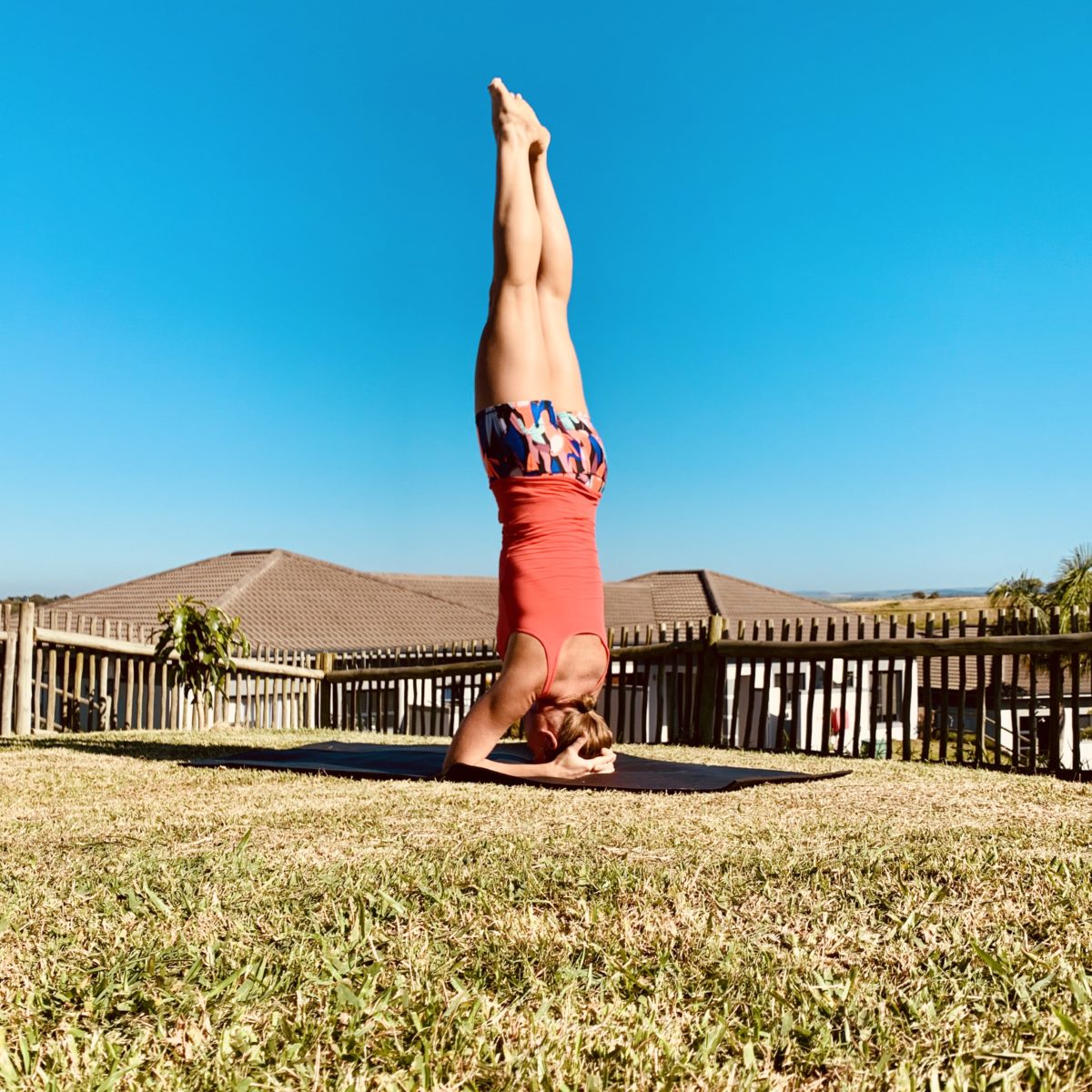
I have always wanted to do a headstand. So each day in lockdown I started to do a little something which would help me get there. Shoulder strength, core strength, stretching and balance and even some mind work. I had get myself to the point where my fear of succeeding was greater than my fear of falling.

I fell many times. I am now an expert at “tucking and rolling.” But each time I could feel I was getting closer and that made me continue. Then one day it all came together and I was up! Pure happiness!

The next day however I couldn’t get up again so had to backtrack and work on the build up again. I tried not to get frustrated because I knew that my goal was still within reach.

This reminded me so much of my patients journeys. Often with chronic pelvic pain the journey is long. In order to get to the end (and keep us motivated) we need to set up small goals that we can “win” along the way to help us get there.

There is nothing like the feeling of winning to keep our head in the game. So I challenge you to pick something you want to achieve and then go for it. Set mini goals along the way so that you can stay motivated and invested. And then share your stories with me 😀